
How Your Body Language Shapes Your Dog’s Socialization
A dog reads your posture, face and energy before it hears a word. Here is how to carry yourself on walks and at meetings so your dog learns calm, confident manners with people and dogs.
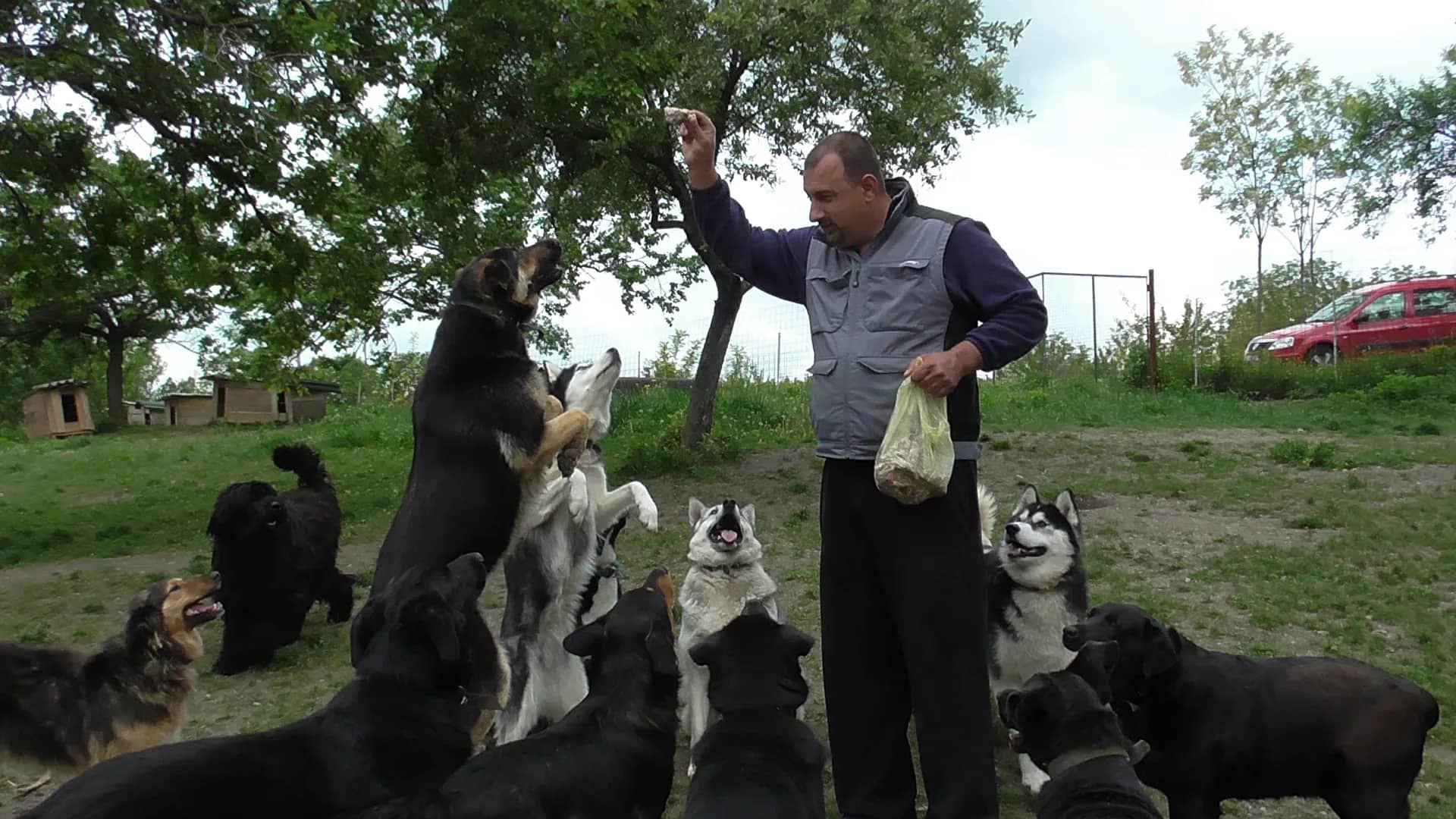
Two dogs approach each other on the sidewalk. One owner tightens the leash, holds her breath, and starts talking fast. The other stands upright, breathes, and keeps the leash loose. Guess whose dog starts the fight. Dog socialization is usually described as something that happens to the dog, but half of it happens in you. Your dog reads your energy before it hears your words, and in every meeting it is asking: is my leader calm, or do I need to take over?
What socialization really means
For a dog, being socialized means understanding its place in the pack and following the rules the leader sets. Puppies learn this first from their mother, who corrects them when they cross a line, and later from other dogs. Dogs grasp hierarchy instinctively. The reason so many dogs live unsocialized lives with their owners is that people find it hard to let their dogs be dogs. We try to explain the rules in sentences. Dogs cannot be told the rules; they can only be shown, through action, energy, and body language.
The window matters, too. Between eight and twelve weeks a puppy can meet people, children, animals, sounds, and surfaces without fear, and everything it meets then becomes normal for life. Puppies that miss that window risk growing anxious, fearful, or aggressive around anything unfamiliar. But socialization does not stop at twelve weeks, and an adult dog can still learn good manners if its owner carries himself like a leader.
How to carry yourself
Slaven’s rules for the owner’s body are simple and they do not change whether you are in the living room or at the dog park:
- Upright, still, relaxed. Authority is quiet. A leader does not fidget.
- Neutral face. Dogs are masters at reading human faces, and a smile during work reads as an invitation to play. Save the smile for the praise.
- Low, calm voice, one word, once. Then act. Repeating a command teaches the dog that the first one did not count.
- Loose leash. A tight leash sends tension straight down the line into the dog. Never pull back hard; a short check, then slack.
- Hands paired with words. Index finger up for NO, fingers snapped down for SIT, open palm for STAY. Dogs understand hand movements far better than speech.
- Slow down to calm down. If your dog is winding up, speak less, move slowly, and briefly look away. Your calm is contagious.
Read your dog before you act
Good socialization is timing, and timing depends on reading the dog early. The postures you will see most often:
- Ears back, head low, no eye contact: submission. The dog is saying it is no threat. Give space, no pressure.
- Heavy panting when it is not hot, whining, yawning, lip licking at rest: stress. Slow down, reduce the pressure, no punishment.
- Leaning forward, ears fully erect, hair raised along the back, tail stiff and high: readiness to confront. Act now, before contact.
- Low, loose tail wag, soft body: relaxed and friendly. Safe to proceed and to reward.
- Front down, rear up, high-pitched bark: play invitation.
- Pricked ears, closed mouth, body still: alert, listening for what is coming.
- Wide eyes with pricked ears: excitement. Not yet a problem, but watch it.
- Fixed stare, mouth open, ears raised: a dominant challenge. Interrupt it with NO.
- Hunched body, lowered tail, neck toward the ground: fear or deep submission. Build trust; never force the greeting.
Our full glossary is in how to read your dog’s body language.
Meeting other dogs
Introductions happen on neutral ground, never where one dog has already marked its territory, and never with toys or food around to fight over. Let the dogs greet the way dogs do, by sniffing. Keep the leash relaxed: a sudden jerk is the gesture the other dog reads as aggression. Watch both dogs, not your phone. At the first sign of the forward lean or raised hackles, a quick, firm NO and a step back, well before the noses meet. If you are unsure how two dogs will get along, let them run in a fenced area first with long lines on their collars so you still have control.
Males as a rule have stronger drives, and an owner introducing a male must be especially relaxed. If your dog is dominant by nature, you are the one who restrains the drive: a firm NO and a short check on the leash, then slack. The leash should be at its loosest exactly when you are most nervous, which is why this takes practice.
What to do today
On your next walk, notice your own hands before you notice your dog. Are they tight on the leash? Loosen them, straighten your back, close your mouth, and walk past one person or one dog without saying a word. Reward your dog for calm, not for excitement. Then read how to communicate with your dog for the next layer. For a few surprising facts about how dogs read us, see Did you know.
Comments
No comments yet. Be the first.