
Why Small Dogs Seem More Aggressive Than Big Dogs
The yapping, growling, ankle-nipping small dog is not born that way. It is made by people who treat it as a toy. Here is why size fools us and the pack rules that fix it.
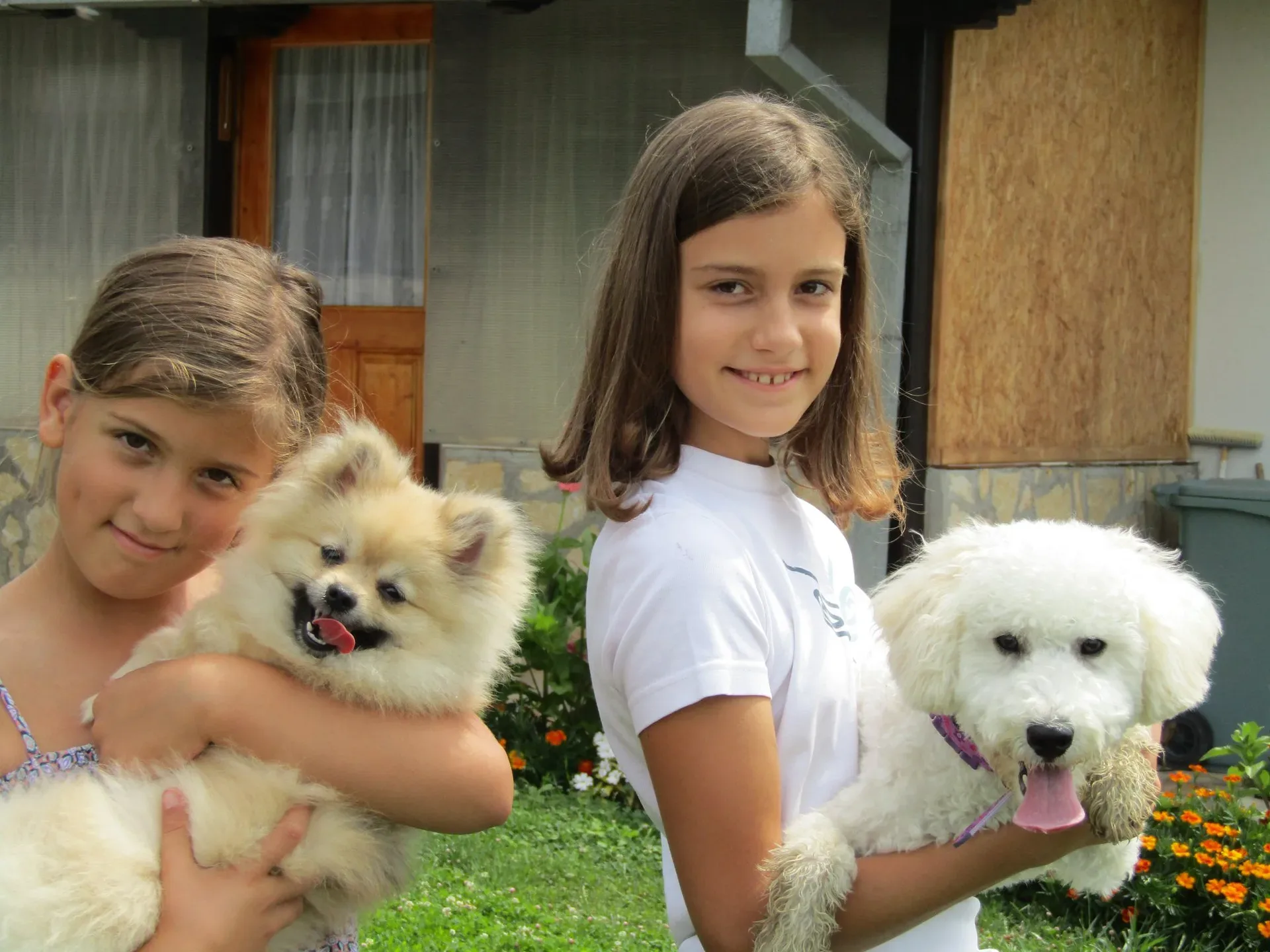
Everyone knows the dog. It weighs ten pounds, it is carried into the cafe, and it snarls at every passing Labrador from the safety of a lap. Its owner laughs; the Labrador's owner apologizes. Small dog aggression is so common that people treat it as part of the breed, like the size of the ears. It is not. In thirty-five years Slaven has yet to meet a small dog that was born aggressive. He has met thousands that were made that way, with love, by people who never asked anything of them.
Size matters to people, not to dogs
Dogs live in packs, and in a pack the leader is whoever carries the most authority, not whoever is biggest. A dog does not look at itself and conclude it is too small to lead. It looks at you and asks whether you are leading. If the answer is no, it steps into the gap, whatever its weight.
The difference is entirely on our side. When a 90-pound dog growls at the owner, jumps on guests or drags someone down the street, everyone agrees it is a problem that needs solving today. When a 9-pound dog does exactly the same thing, it is “feisty”. The behavior is identical. Only the consequences for the humans differ, and so only the big dog gets trained.
How a small dog ends up in charge
It happens without anyone deciding it. Owners of small dogs often skip the parts of dog ownership that build leadership because none of them seem necessary:
- The dog is picked up instead of being asked to SIT, so it never learns to wait for anything.
- It sleeps in the bed and sits on the couch from day one, so the house has no places that are yours.
- It jumps on people and is petted for it. Jumping looks like joy; it is an instinctive attempt to dominate, and rewarding it confirms the dog's view of its rank.
- It leads the walk on a retractable leash or a harness, choosing direction and pace, because it is not strong enough to pull anyone over.
- It is fed from the table and barks for more, and the barking works.
- It is excused from socialization between 8 and 12 weeks because it is “too small to go out”, so strangers and other dogs become threats.
Give a dog one percent of freedom and it will take it. Give it a hundred percent and it will use every bit. A small dog gets a hundred percent more often than any other kind, and its growling, lunging and nipping are the natural result.
The same message at any size
Barking at a passing dog, growling when moved off the couch, snapping when the bowl is approached, jumping up to demand attention: these are not different behaviors in different dogs. They are the same message. Owners of small dogs often read the barking at big dogs as a bid for attention. From the dog's point of view it is a display of dominance, and it has no idea that the other dog outweighs it ten to one.
Watch the body, not the size: raised tail, fur rising along the back, ears back and upright, lips pulled back. Those signals mean the same thing in a Yorkshire Terrier as in a Rottweiler, and they call for the same response: one firm, low “NO” at the first sign, and then action, not ten pleading repetitions and a cuddle.
The fix: pack rules at any size
Nothing about the method changes for a small dog. The leash is thinner and the treats are smaller; the rules are identical.
- SIT before every meal. Food is a resource you control. The dog does not eat until it has carried out at least one command.
- You go first through every door. Daily, without exception. This single habit tells the dog who leads.
- No jumping, ever. Turn away, say “NO” once, and ask for SIT. Reward the sit, not the excitement.
- Its own place. A crate or bed where it sleeps and settles, not your bed, for at least the first 90 days. The couch is by invitation only.
- Feet on the ground. Carrying a dog past every trigger teaches it that triggers are dangerous and that it has your full protection to shout at them. Let it walk, on a leash, at your side.
- Twenty-minute sessions before a meal. One command, said once, paired with a hand signal, enforced, rewarded within two seconds. Small dogs learn exactly as fast as big ones when someone bothers to teach them.
The walk is where it changes
Heel is the exercise that fixes the most. The dog walks on your left on a loose leash. The moment it surges ahead or locks onto another dog, do not pull back; a tight leash makes any dog lean in and get louder. Change direction, give one quick check, say “HEEL” once, and keep walking as if nothing happened. When you stop, the dog sits. Retire the retractable leash: it hands the dog a decision about distance that should be yours. Within a couple of weeks of consistent walks, most small dogs stop announcing themselves to the whole street, because the leader has stopped asking their opinion. Our guides to teaching your dog to heel and training a dominant dog go into the details, and the principles behind all of it are on The Stevelic Method page.
What to do today: put your small dog on the floor, ask for a SIT before dinner and wait until you get it. Walk out the door first. Say “NO” once when it jumps, and mean it. Your dog is not fragile and it is not a toy. It is a dog, and it has been waiting for someone to lead.
Comments
No comments yet. Be the first.