
Dog Hygiene Habits and the Problems Owners Run Into
Toilet habits, bathing, brushing, ears, eyes and nails: the hygiene routine most owners get partly wrong, and how to teach a dog to accept all of it calmly from puppyhood.
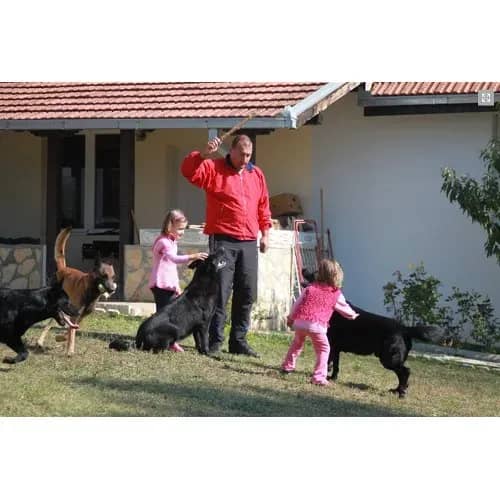
Ask a room full of dog owners what gives them the most trouble at home and the answers are rarely about commands. They are about the floor, the smell, the shedding, the nails that click on the tiles and the dog that bolts at the sight of a brush. Dog hygiene is one of the most common sources of friction between people and their dogs, and most of that friction comes from two things: not knowing what a dog's body needs, and never teaching the dog to be handled. Both are fixable.
Toilet habits: the problem behind most complaints
Relieving itself indoors is the hygiene problem that drives owners to despair, and it is almost always created by the owner. Puppies have little control until about six months, they digest quickly, and they go where scent tells them to. One loose night in the house means several marked spots, and scent pulls the dog back to each of them.
The remedy is prevention, not punishment: a crate for the first 90 days, meals at fixed times, trips outside every couple of hours for a young puppy and straight after every meal, the same grassy spot every time, and praise with a treat within two seconds of finishing. When an accident happens, clean with an odor-neutralizing product and apple cider vinegar so nothing lingers, and never scold a dog for something you found later; it cannot connect the two. We cover the full routine in our guide to house training. Adult dogs need at least three unhurried trips a day.
First, teach your dog to be handled
Every grooming problem we see has the same root: the dog was never taught that human hands are normal. Start the day the puppy comes home. Hold it in different positions, cuddle it, touch its nose, open its mouth and run a finger over its teeth, handle every paw and spread the toes, look into its ears. Keep it short, calm and pleasant, and reward calm with a quiet “GOOD JOB”. A puppy that accepts this at ten weeks accepts the brush, the nail clippers, the bath and the vet's table for the rest of its life.
With an adult dog that already hates it, go slower and work when the dog is calm, never when it is excited. One paw, one treat, stop. Dogs reward you for patience here.
Bathing: less often than you think
A dog's skin produces natural oils that nourish the coat and protect it from the weather, and shampoo strips them. For a dog that lives indoors we do not recommend bathing more often than about every three weeks unless it has rolled in something. When you do bathe:
- Use a mild shampoo made for dogs, matched to its coat type. Human products are formulated for different skin.
- Rinse thoroughly; leftover shampoo irritates.
- Dry the dog well, and bathe early in the day so it is completely dry long before it sleeps.
- Keep your energy calm and matter-of-fact. The dog takes its cue from you, not from the water.
Coat, ears and eyes
Brushing does more than control shedding. It spreads the natural oils, lets you find ticks, lumps and sore spots early, and, done daily for a few minutes, becomes one of the calmest moments you share with your dog. How often and with which brush depends entirely on the breed and coat length, so ask someone who knows your breed rather than guessing.
Ears are wiped with damp gauze, from the inside outward, never poking inward. Some breeds collect discharge at the corners of the eyes that needs gentle wiping. If an ear smells, if the dog shakes its head or scratches constantly, or if the eyes are red or weeping, see your vet. Hygiene is care, not medicine, and the line between them is where your vet comes in.
Nails
A dog that walks a lot on pavement often wears its nails down naturally. One that does not needs them trimmed, otherwise they grow long enough to cause pain and change the way the dog stands and moves. The rule of thumb: when the dog is standing, the nails should not touch the ground. Buy proper clippers, take off a little at a time, and stop at the first sign the dog is uncomfortable. If you are not confident, have a groomer or your vet show you once. The dog that had its paws handled daily as a puppy will barely notice.
Why hygiene is also leadership
Grooming is a leadership moment. The dog that stands quietly for brushing, lets you take its paw and waits while you dry its ears is a dog that trusts you to decide. The dog that wriggles, snaps or runs is telling you the relationship is not settled yet, and that usually shows up elsewhere too: at the door, at the bowl, on the leash. Fix the basics and grooming gets easier on its own. Our Did You Know page has more small facts about how dogs experience the world.
What to do today: spend two minutes handling your dog's paws, mouth and ears, calmly, with a treat at the end. Check the nails against the floor. Put the bath date on the calendar, three weeks from the last one. Small routines, kept daily, are how a clean dog is made.
Comments
No comments yet. Be the first.