
How to Make a Dog Training Plan That Actually Works
Most training fails before the first command is said. Here is how we build a dog training plan: one goal, small steps, 20-minute sessions before meals, and a way to track progress.
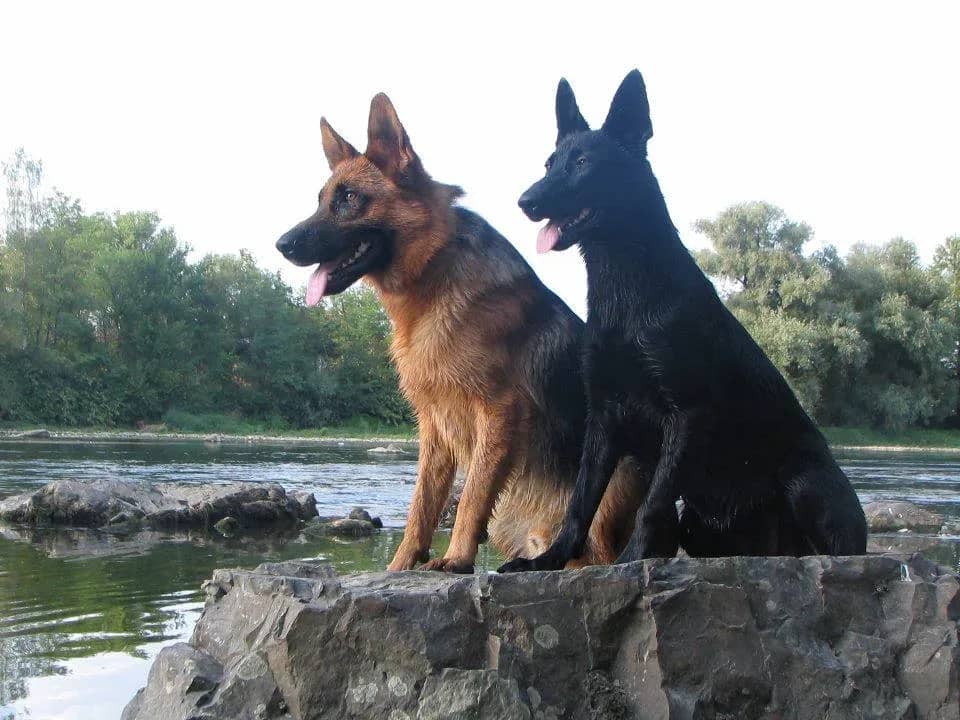
You bought the treats, you watched the videos, and you have said “sit” forty times this week. The dog still jumps on your guests. In our experience the problem is rarely the dog and rarely the command. It is the absence of a dog training plan. Successful training does not start with giving orders; it starts with knowing exactly what you want, how you will get there, and how you will know you have arrived.
Start with the goal, not the command
Before the first session, write down what the finished behavior looks like in daily life. “My dog sits” is not a goal. “My dog sits at the door and stays seated while I open it and step out first” is a goal. The difference matters because a dog learns exactly what you reward. If you only ever reward the moment the hindquarters touch the ground, you will get a dog that sits and immediately pops back up.
Slaven puts it simply: dogs do not follow commands, they follow leaders. A plan is how you behave like one. It tells your dog, through consistency, that the rules do not change with your mood.
Break every exercise into steps you can finish
Do not try to teach everything at once. Take the goal above and split it into pieces: SIT in the living room, SIT at the closed door, SIT while the door opens a crack, SIT while you step through, SIT with the dog following only on your word. Move to the next step only when the current one is reliable. If a step falls apart, go back one. Progress matters more than speed.
Every step ends the same way: the dog completes what was asked. One command, said once, then enforced. If you say SIT and the dog wanders off, you do not repeat it louder. You calmly guide the dog into position, then reward. A command that is not enforced teaches the dog that your words are optional.
Set the conditions: time, place, rewards, signals
The Stevelic Method has a few fixed rules for every session, and they belong in your plan from day one:
- Twenty minutes, no more. Beyond that the dog loses interest and you start rewarding sloppiness.
- Always before a meal. A hungry dog is a motivated dog. Training after dinner is training against nature.
- Quiet place first. For the first ten days work in the yard or at home with a short leash on the collar. After that, change locations every week so the dog meets controlled distractions.
- Everything ready. Leash, treats cut small, a toy, and a clear idea of the one or two exercises for today. Fumbling for a treat bag is how you miss the two-second reward window.
- Bad mood? Skip it. Your dog reads your energy before it hears a word. A tense session teaches tension.
A reward is information. It tells the dog “that, exactly that.” It only works if it arrives within about two seconds of the behavior, and only if it is something the dog actually wants: a small piece of meat, a toy, a warm “GOOD JOB.” Reward while the dog is still doing the right thing, not after it has moved on, or you will reinforce the wrong behavior by accident.
Pair every voice command with a hand signal. Snap your fingers downward for SIT, tap your right thigh for COME, raise an open palm for STAY. Dogs read hands far better than they read words, and a dog that knows the signal will work for you across a noisy park where your voice is lost.
Watch the dog, track the result, adjust the plan
Your dog tells you after every repetition whether it understands. Soft eyes and a quick response mean carry on. Yawning, lip licking at rest, sniffing the ground, or a lifted front paw mean stress or fatigue; shorten the step or end the session on an easy success. Never finish on a failure.
After each session take one minute and write three lines: what went well, what fell apart, and what the next session starts with. Over a week this becomes the most honest training record you will ever own. Slaven’s rule of thumb is that real communication is established in about ten days, and stable habits take about ninety days of consistent practice. The plan is how you get through those ninety days without drifting.
A sample first week
- Days 1 to 3: SIT before every meal, bowl held above the head, one command, reward with the bowl. WAIT at the door while you step through first.
- Days 4 to 5: Add COME indoors, name first, loud and warm, right before feeding. Chain NAME, COME, SIT, bowl.
- Days 6 to 7: Repeat both in the yard on a leash. Add short heel walks on your left side with a loose leash, SIT at every stop.
That is the whole week. It will feel too small. It is not. These exercises are the base for everything that follows; our article on the first commands to teach your dog picks up from here.
What to do today
Write one goal in one sentence. Cut it into five steps. Put a leash and a handful of treats by the door, and run your first twenty-minute session before the next meal. If you want the complete day-by-day structure, that is exactly what our Basic course is built around.
Comments
No comments yet. Be the first.