
A Short Practical Guide to Dog Training at Home
You do not need a thick manual to train a dog at home. You need a few rules that work in the kitchen, the yard and on the sidewalk, and the discipline to apply them daily.
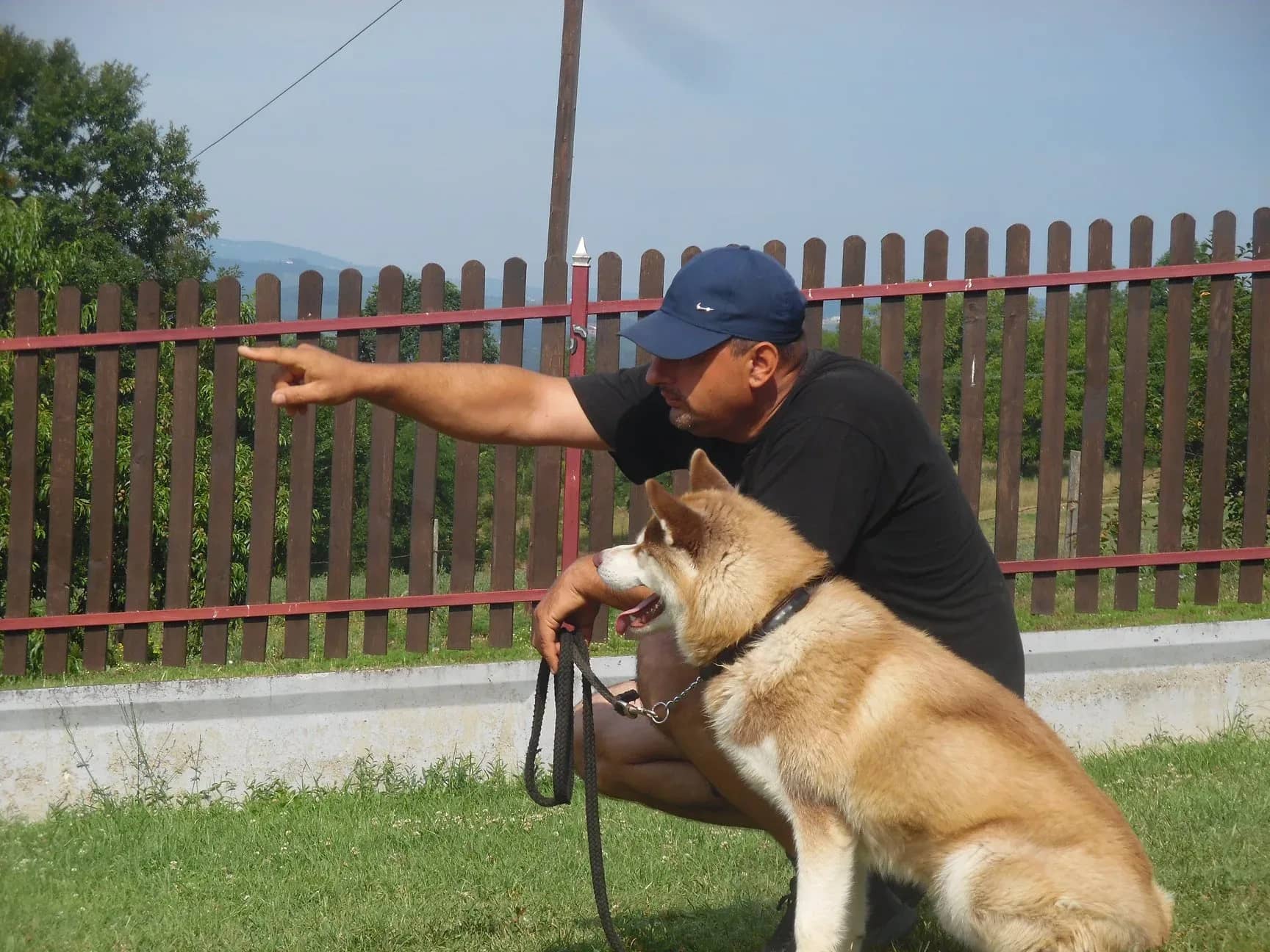
Most owners do not need a thick manual. They need a handful of rules that work in a kitchen, a yard and on a sidewalk, and the discipline to apply them every day. This is our short guide to dog training at home, built on The Stevelic Method, the approach Slaven Stevelić has used to raise and retrain dogs for thirty-five years.
Start with how a dog thinks
Dogs are creatures of habit. Whatever you allow, even once, becomes acceptable in the dog's mind, and whatever you never allow never becomes a habit. That gives you the one rule everything else hangs on: anything you do not want your dog to ever do, do not allow it to do even once. Give a dog one percent of freedom and it will take it. Give it a hundred percent and it will use every bit.
The second truth is that dogs follow leaders, not commands. A dog that sees you as its calm leader follows you willingly; a dog that sees you as an equal tests you. Leadership has nothing to do with force. It means you decide: when the dog eats, where the walk goes, when play starts and when it ends.
The daily framework
- Sessions last 20 minutes at most, always before a meal, when the dog is hungry and motivated. Feed afterwards.
- One person leads the training. Everyone else in the household uses the same words and the same rules.
- Say a command once, in a firm, low voice, then enforce it. Repeating teaches the dog that the first five do not count.
- Pair every spoken command with a hand signal: snap your fingers downward for SIT, open palm for STAY, tap your right thigh for COME, tap your left thigh for HEEL. Dogs read hands better than words.
- Reward within two seconds, with a small piece of something tastier than the daily food and a warm “GOOD JOB”.
- Not in the mood? Skip the session. Your dog reads your energy before anything else.
Set up the home
Three things change everything in the first 90 days: a crate, a short line and a schedule.
The crate is the dog's own place, where it eats, rests and feels safe. It is never a punishment and the dog is never forced into it with shouting. A one-meter line stays on the collar indoors so you can guide the dog off the couch or away from the table with a quiet “NO”, without grabbing or chasing. The schedule, same feeding times, same walks, same spot outside, is what turns behavior into habit. Stable habits form in the ninety days after your dog arrives; after that, you gradually give more freedom.
Add the rules that cost nothing: you go through doors first; the dog sits before every meal; food is never handed over until at least one command has been carried out. Food is the resource through which you show the dog that you are the better hunter.
The first exercises
Start indoors or in a fenced yard with no distractions. After about ten days, when the dog responds reliably, change the location every week so it learns to listen with distractions around. Keep the dog on a line at short distances so it never gets the chance to make its own decisions mid-exercise.
- SIT. Hold a treat just above the dog's head so it looks up, say “SIT” once, and reward the moment its hindquarters touch the floor. If it rises, guide it back down with a light press and reward again. Practice before every meal; soon the dog holds the sit without a treat.
- COME. Say the dog's name and “COME” with the full bowl in your hand, right before feeding. Then chain it: name, COME, “GOOD JOB”, SIT, bowl. Never call your dog unless you can take hold of the line if it ignores you.
- DOWN. From a sit, lower the treat to the floor and release it only when the dog lies down. Step away and come back; reward only when you return and the dog is still down. Never call the dog out of a DOWN. It should always expect you to come back for it.
- HEEL. Dog on your left, leash loose. If it pulls, do not pull back: change direction, give one quick check and carry on. A permanently tight leash teaches pulling.
Consistency is the whole secret. If you ask for a DOWN and the dog gets up, return it to position, calmly, even if that takes twenty repetitions in one session. The next day it will be faster. The full sequence is in the article on the first commands to teach your dog.
What we never do
No hitting, no yelling, no electric collars, and no punishment for something that happened even a minute ago. A dog lives in the moment; a late correction teaches nothing but fear and costs you the trust you are trying to build. To interrupt a behavior, a firm “NO” and a step on the line are enough, followed by a reward the moment the dog does the right thing. Never let the dog jump on you either; it looks like excitement, but it is an instinctive attempt to lead.
What to do today: pick one meal and have the dog SIT before the bowl goes down. Walk through the door first. Put the 20-minute session in your calendar before dinner. If you want the whole method laid out week by week, that is exactly what The Stevelic Method - Basic course does.
Comments
No comments yet. Be the first.